Kling 4.0 generates 30 seconds in one go. What changes for anyone directing AI film
Kling 4.0 arrived on 15 October with takes of up to 30 seconds, 15 references and 10 keyframes. Why pre-production is back at the centre of the film.
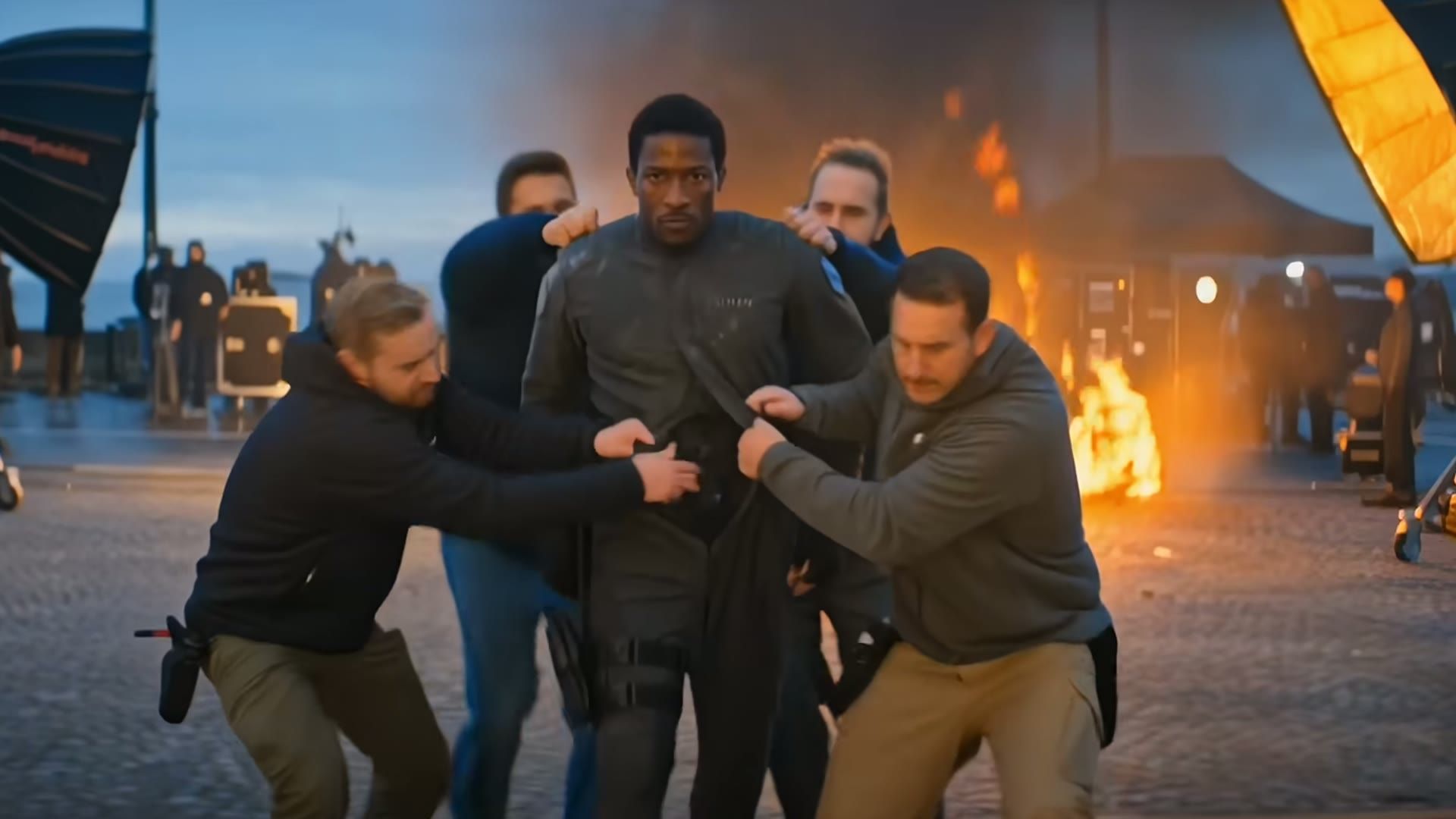
On 15 October 2026, Kuaishou launched Kling 4.0, the new version of its video generation model. The official announcement, published the next day, highlights three fronts: steadier motion, takes of up to 30 seconds generated in a single pass and a much broader reference system.
The figures below come from the company itself. At the time of writing, there was no independent test comparing Kling 4.0 with other models.
What was announced
According to Kuaishou’s announcement:
- Up to 30 seconds per generation, native, in a single pass. Long shots and continuous scenes no longer depend on stitching several short pieces together.
- Omni Reference with up to 15 references in the same task: up to 10 images, 5 videos and 7 subjects, combined with voices.
- Up to 10 keyframes to mark moments in the scene: where the character is, how the scene changes, where the story turns.
- 10-bit HDR output, with more detail in highlights and shadows, which leaves room for colour grading.
- Prompts of up to 8,000 tokens, to describe intent more precisely.
The company also lists features that have not arrived yet: 4K, 1080p and the 21:9 format “will” be supported, video extension up to two minutes is coming “soon”, and so is the API for businesses and developers. It is worth treating those promises as promises until they are live.
The detail that matters: what kind of reference it accepts
The duration gets the attention, but the bigger change is in another line of the announcement. Kling 4.0 accepts three-view character sheets, image grids, storyboards and wireframes as references. It also accepts white-model videos, the untextured mannequins used in previsualisation, and depth-map videos.
In practice, this means the model was designed to receive pre-production. A scene can arrive with the character defined, the space drawn and the camera move rehearsed before any generation.
Kuaishou itself says the competition has changed: the question is no longer whether AI can generate video, but whether it can do so reliably and with control.
Why 30 seconds change the edit
Until now, much AI video was assembled from short pieces of a few seconds each. Every cut was also a chance for the character’s face to change, the light to switch direction or the set to lose an object. A lot of cutting was not a choice of language, it was patching.
With 30 seconds in a single take, the cut becomes an editing decision again. A long take, an uninterrupted conversation or an action that needs time to breathe become possible.
But more time also exposes more. A 30-second take without direction is just a longer mistake. The more the model can hold, the clearer it has to be what happens in every second.
Advertising and AI agents
Two lines of the announcement speak directly to the brand market. The first is creative recreation: the model can take the pacing, framing and style of a reference video and replace its products, characters and assets. Kuaishou cites product ads, fashion, beauty and consumer electronics as uses.
The second is integration with Kling MCP and the command line. In practice, AI agents can now request generations with references and keyframes without someone clicking through each step. That speeds up variations of the same piece, but it also multiplies the risk of generating a lot without judgement.
What changes for anyone making or hiring a film
For brands and agencies, the announcement points to where the work will concentrate.
- Pre-production weighs more. Character sheets, location plates, storyboards and previs become direct input for the model. Whoever arrives with them ready spends fewer generations trying to get it right.
- Continuity becomes a requirement. With 15 references, face, wardrobe, product and space can stay the same across shots. A brand film with the same character across several pieces becomes more feasible.
- Testing is still necessary. Manufacturer figures do not replace a test on your own project. Before promising a client a deadline, it is worth generating the hardest moment of the scene and seeing if the model holds.
This blog’s view
Kling 4.0 does not swap the director for a button. It does the opposite: it gives more weight to whoever knows how to plan the scene before generating.
The more references a model accepts, the more the film depends on the quality of those references. A well-designed character, a thought-out space, a camera with intent. It is the same craft as always, now with a longer engine.
In this portfolio, the The Batman episodes (personal study / fan art) show why this matters: keeping the same character, the same city and the same light from one shot to the next is what turns a series of images into a film.