Elon Musk's AI Odyssey has arrived: 7 minutes and a human director in the credits
Musk promised a full Odyssey feature made by Grok and delivered 7 minutes on X. What the episode teaches anyone making or hiring an AI film about directing.
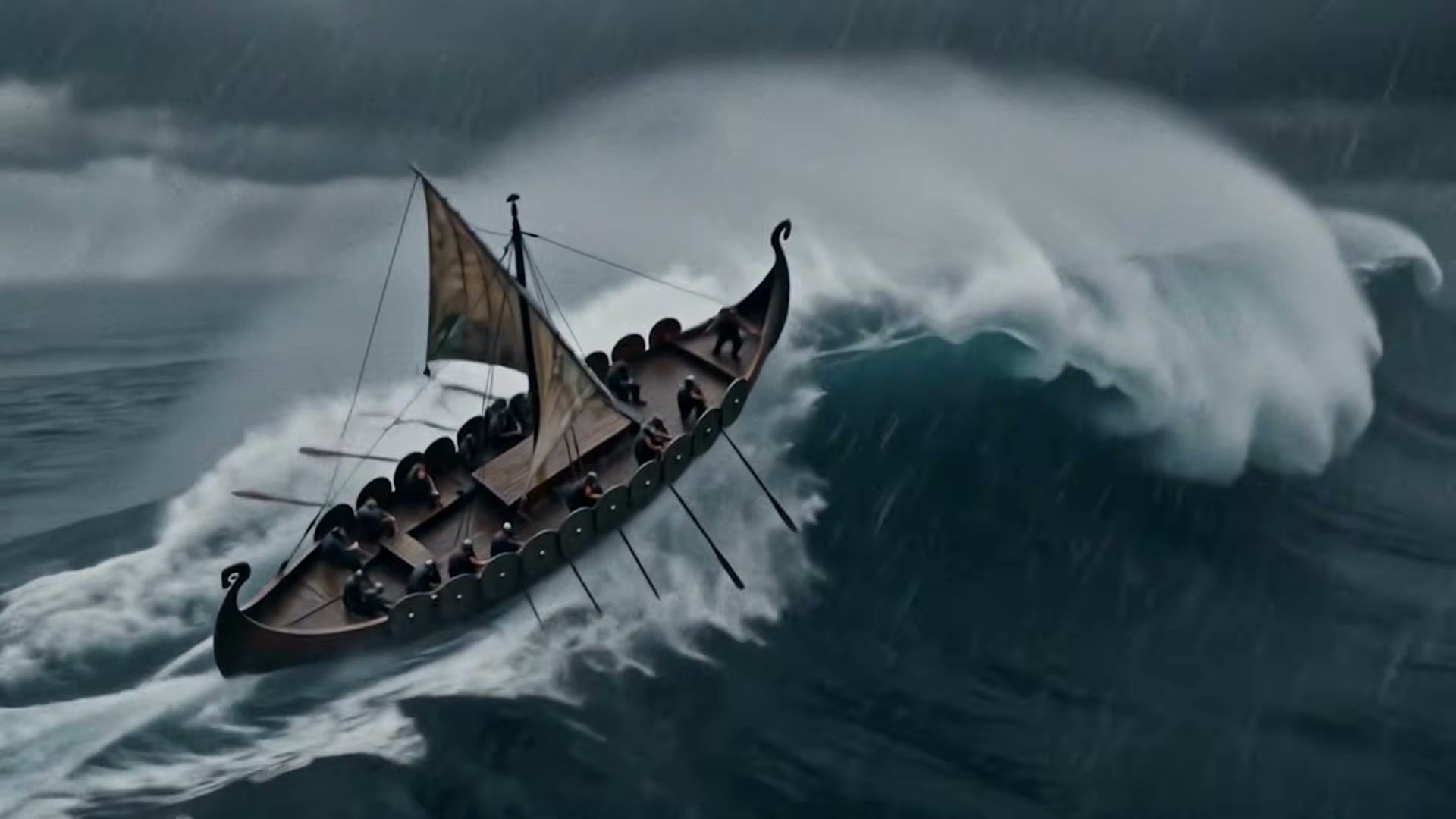
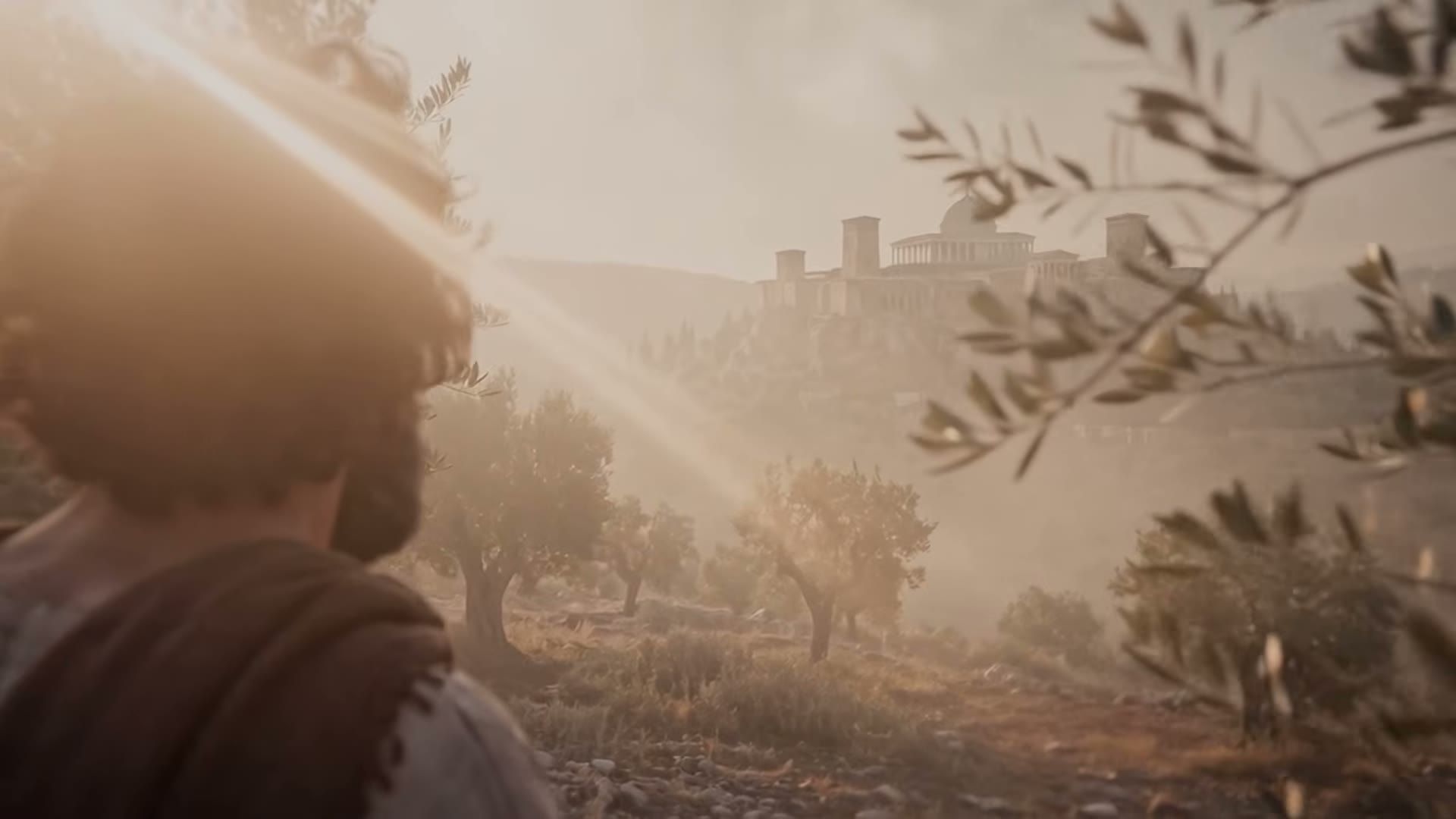
On 23 October 2026, the Grok Imagine account on X, formerly Twitter, posted the first episode of an Odyssey made with artificial intelligence. It runs 7 minutes and is presented as “episode 1” of a series.
The promise was bigger. In July, Elon Musk announced that Grok Imagine would make a complete, “historically accurate” feature film of Homer’s poem by the end of 2026, according to Variety. Three months later, what came out was the start of a series.
The most revealing detail is in the credits. The post thanks Wonder Studios and director Dev Walker, both specialised in AI filmmaking, for a “creative collaboration”. In other words: Musk’s AI film needed a studio and a director.
It is not the partnership’s first piece. On 29 September, Grok’s official YouTube channel posted a pilot of about 4 minutes of the same Odyssey. According to the video’s description, Wonder Studios delivered the pilot in 15 days, using 2,070 images and 1,558 videos. That is thousands of choices made by people, one by one.
The context: Nolan’s Odyssey
The project was born as a response. Musk had been publicly criticising Christopher Nolan’s The Odyssey, released in July, according to Variety and TechCrunch.
Nolan’s film went the opposite way. According to TechCrunch, it was shot mostly practically, across six countries, with a cast and crew of thousands. It became a box office hit, sold out IMAX screenings for months and is seen as the front-runner for the next Oscars.
Nolan describes himself as sceptical of technology. He has said that before AI, he had never seen a technology so rejected by the public.
On one side, a major production with thousands of people. On the other, a tool that promised to do the same with a prompt. The comparison was inevitable, and it was Musk himself who invited it.
What the 7 minutes show
TechCrunch reviewer Anthony Ha expected worse. He found the images better than he had imagined, with moments that could pass for real footage.
The problem was something else. He missed artistry, momentum and human interest. He says he watched the nearly three hours of Nolan’s film without looking away, and checked the time again and again during Grok’s seven minutes.
That is the point. Technique is no longer the obstacle. Generated images already convince in many shots. What did not show up was a reason to keep watching.
What is still unknown
The post on X came with no further statement, according to Variety. There is no date for the next episodes, and no information on how many there will be, what they cost or how much of the production was done by hand by the Wonder Studios team.
It is also unclear whether the feature promised in July still exists as a plan or whether the series has taken its place. Until that is explained, the only concrete thing is the 7 minutes.
Technique is not the film
A beautiful shot is not a scene. A scene is not a film.
Between one and the other are decisions no tool makes on its own:
- What the audience needs to feel now, and which shot makes them feel it.
- How long each shot lasts, and where the cut comes in.
- Who the character is, and why anyone would care.
- What the rhythm is, so that seven minutes feel short rather than long.
AI made the image cheaper. It did not make those choices cheaper. And the fact that Grok’s own Odyssey credits a director shows that not even those selling the promise of a film made by prompt work without one.
What changes for anyone hiring an AI film
For brands, agencies and production companies, the episode leaves three practical lessons.
- “Made with AI” is not a selling point. The novelty is gone. If a piece depends on its method to get attention, it is old the next day. What holds an audience is the idea.
- Promise what you can deliver. A feature became 7 minutes. In a brand project, the same gap between promise and delivery costs trust. Test the hardest moment before agreeing on a deadline and format.
- Hire direction, not a tool. Everyone has access to the same models. The difference is who decides the shot breakdown, rhythm, character and edit.
It is also worth declaring the use of AI clearly. Hiding the method usually costs more than owning it.
This blog’s view
The mistake of Grok’s Odyssey was not using AI. It was selling the technology as if it were the film. The images were well resolved. What was missing was a reason for anyone to keep looking.
The path worth taking is the opposite: use AI to fit shots that used to be impossible into the budget, without forgetting cinema’s oldest question. Why would anyone keep watching?
That is the standard behind the AI cinema studies in this portfolio, such as the The Batman episodes and Miles Morales, both personal study / fan art: shot breakdown, rhythm and character come before the tool.
Sources
- Variety · Elon Musk's Grok Releases First AI-Generated 'Odyssey' Episode, Months After Promising 'Historically Accurate' Full-Length Film (26/10/2026)
- TechCrunch · Grok releases the first seven minutes of its AI-generated 'Odyssey' (25/10/2026)
- Grok (official YouTube channel) · Odyssey Pilot featuring Wonder Studios and Grok Imagine (29/09/2026)